
The best crypto tax software makes it easier to track, calculate, and report your crypto activities without all the stress. Cryptocurrency is an exciting space, but when tax season rolls around, things get complicated quickly. This makes staying on top of your crypto taxes not just smart—it’s necessary. As regulations around crypto tighten globally, tax authorities are paying more attention, so having the right tools to help you stay compliant is essential.
After testing several options, we found that Koinly stands out as the best crypto tax software overall. It’s user-friendly, supports a wide range of exchanges and wallets, and handles everything from DeFi to NFTs with ease.
But that’s not the only great option. In this article, we’ll walk you through 11 top crypto tax software tools to help you find the perfect one for your needs.
The 23 Best Crypto Tax Software
Here’s a breakdown of the 11 best crypto tax software tools to help you stay on top of your crypto taxes. Each option has unique features and benefits, so you can find the one that suits your needs best.
1. Koinly

Koinly integrates seamlessly with most exchanges, wallets, and blockchains, offering full support for DeFi and NFTs.
- Pros: Its user-friendly dashboard simplifies tracking your transactions and generating detailed tax reports with just a few clicks.
- Cons: Advanced features can be pricey, especially for users with high transaction volumes.
READ ALSO: 13 best 3d modeling software for 2025 (Gaming, Animation, Product Design & Architecture).
2. CoinTracking

CoinTracking is one of the best crypto tax software going into 2025, it offers extensive reporting options and real-time portfolio tracking to keep your investments organized.
- Pros: It handles high transaction volumes with ease, making it ideal for advanced traders. The robust analytics tools are a standout feature.
- Cons: Beginners might find the platform overwhelming due to its extensive options and features.
3. TokenTax

TokenTax integrates directly with TurboTax and offers full-service tax preparation options for users who need extra help.
- Pros: This is a great choice for U.S.-based users, with premium concierge services available for those who want a hands-off experience.
- Cons: It’s on the expensive side, especially for users with a high number of transactions.
4. ZenLedger

ZenLedger provides comprehensive tax reporting and supports staking income, making it perfect for crypto earners.
- Pros: The simple interface makes it an excellent option for beginners, and its automated tools save time.
- Cons: While great for U.S. users, its support for international tax jurisdictions is somewhat limited.
5. CoinLedger

CoinLedger offers quick and accurate tax report generation, with full support for DeFi and NFTs to meet the needs of modern crypto users.
- Pros: It’s an affordable option with a straightforward platform that’s easy for beginners to navigate.
- Cons: The platform has limitations when it comes to importing extensive historical data, which might be a drawback for long-term traders.
6. Accointing

Accointing combines portfolio management with crypto tax tools, helping you stay on top of your investments while managing taxes.
- Pros: It provides clear visual insights into your portfolio and has an excellent mobile app for tracking on the go.
- Cons: Compared to other software, Accointing has fewer integrations with exchanges and wallets, which could be limiting for some users.
7. BearTax
BearTax simplifies the process with automatic exchange syncing and features like loss harvesting to minimize your tax bill.
- Pros: It’s one of the most affordable options, especially for users with basic tax reporting needs.
- Cons: While it’s budget-friendly, BearTax lacks some of the advanced features found in other tools, which might not make it ideal for power users.
8. TaxBit
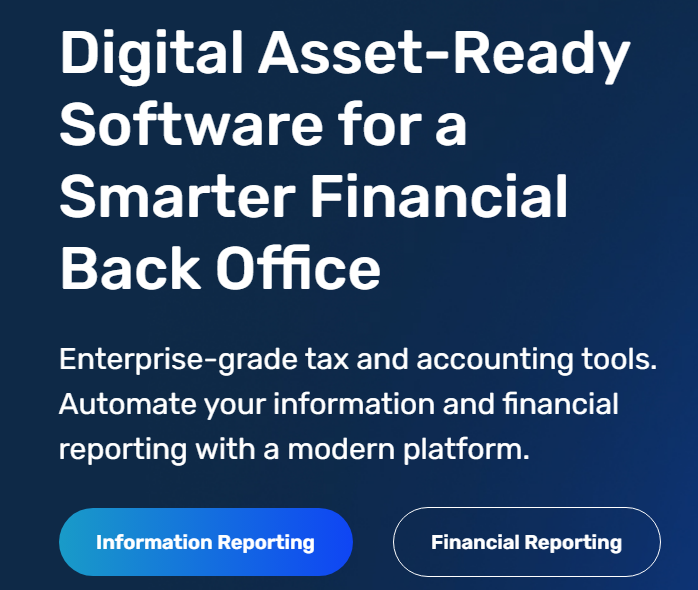
TaxBit is one of the best enterprise-grade crypto tax software and it generates IRS-compliant tax forms, making it a favorite for U.S. users.
- Pros: It’s free for users of partnered exchanges, and the audit assistance feature provides peace of mind during tax season.
- Cons: Users not associated with partnered exchanges may find its features more limited compared to other options.
9. Coinpanda
Coinpanda provides global tax compliance, supporting DeFi and NFTs, which makes it ideal for users with a diverse range of crypto activities.
- Pros: It’s an affordable choice for both individuals and businesses, with flexible pricing plans that cater to various needs.
- Cons: The user interface could be more intuitive, and some users may find it a bit clunky when navigating through the platform.
10. CryptoTaxCalculator

CryptoTaxCalculator offers detailed tax breakdowns and flexible tax settings, which is great for complex transactions or users in countries with specific tax regulations.
- Pros: It’s perfect for those dealing with complicated crypto activities, offering features tailored to niche tax scenarios.
- Cons: It has a steeper learning curve, making it less user-friendly for beginners who may find it overwhelming at first.
11. Binance Tax (for Binance Users)

Binance Tax is a free tax tool for users of the Binance exchange, designed to generate tax reports directly from your Binance transactions.
- Pros: The seamless integration with the Binance platform makes it easy to track and report transactions without additional costs.
- Cons: It’s only available to Binance users and doesn’t support transactions from other exchanges, limiting its usefulness for those who trade on multiple platforms.
12. TaxBit Enterprise
TaxBit Enterprise provides end-to-end crypto tax solutions tailored for businesses and enterprise clients, offering detailed reporting and compliance with both local and global tax regulations.
- Pros: Its enterprise-grade features, including audit trails and advanced tax strategies, make it a robust tool for larger businesses.
- Cons: The platform is more suitable for larger operations, and its pricing may be too high for smaller traders or individuals.
13. BitTaxer
BitTaxer offers tax reporting for a variety of cryptocurrencies and platforms, automatically syncing with your wallets and exchanges to calculate accurate gains and losses.
- Pros: It’s an affordable solution for small to medium-sized traders, with good customer support and the ability to generate tax reports for multiple countries.
- Cons: Its interface is not as polished as some competitors, and it may not support every wallet or exchange out of the box.
14. TaxMoon
TaxMoon helps users calculate crypto taxes by connecting to various exchanges and wallets to track transactions and generate tax reports. It also supports DeFi and staking.
- Pros: The platform is easy to use and offers a solid mobile app for tracking your crypto taxes on the go.
- Cons: It’s relatively new to the market and may not offer the depth of features available with more established platforms.
15. Blockpit
Blockpit supports a wide range of crypto exchanges, wallets, and blockchains, providing real-time tax reporting and portfolio management tools.
- Pros: It’s great for international users and offers support for multiple tax jurisdictions. It also provides accurate capital gains calculations.
- Cons: The platform can be expensive for users with high transaction volumes, and it may require more manual input for certain transactions.
16. SatoTax
SatoTax simplifies tax reporting by integrating with major crypto exchanges and wallets, providing automatic calculations for capital gains, losses, and staking rewards.
- Pros: It’s affordable for individuals and supports a wide range of cryptocurrencies, including newer altcoins.
- Cons: It lacks some of the advanced tax features found in other tools, such as DeFi-specific reporting or audit support.
17. TokenTax Pro
TokenTax Pro is a premium version of TokenTax, offering advanced features like tax loss harvesting and full-service tax filing support, perfect for heavy crypto traders.
- Pros: It provides an end-to-end tax solution, including concierge service and direct filing with the IRS, making it ideal for users who need hands-on support.
- Cons: It is more expensive than the basic version, and the price may be too high for casual traders.
18. Cryptio
Cryptio is one of the best crypto tax software that offer automated tax calculations with detailed reports for crypto transactions, including token swaps and cross-chain transactions. It also supports DeFi, NFTs, and staking.
- Pros: Great for businesses and users with complex crypto portfolios. It’s particularly good at handling international tax compliance.
- Cons: The platform can be a bit complex for beginners, and it may require some setup time to fully integrate with all your wallets and exchanges.
19. Coinly.io
Coinly.io offers a full suite of crypto tax tools, including tax loss harvesting, detailed capital gains reports, and support for various crypto assets like DeFi and NFTs.
- Pros: It has one of the most straightforward user interfaces, making it easy for both beginners and experienced traders to generate accurate tax reports.
- Cons: Its basic plan can be quite limiting, and the more comprehensive plans can get pricey depending on your transaction volume.
20. Chainalysis Tax
Chainalysis Tax offers sophisticated tools to help crypto traders calculate taxes with accuracy, especially focusing on tracking crypto transactions from both centralized and decentralized sources.
- Pros: It provides detailed reporting for businesses and institutional users, offering advanced features like audit-ready reports and blockchain data analytics.
- Cons: It is designed more for businesses and enterprise use, making it less suitable for individual traders or casual users.
21. BlockFi Tax Reporting
BlockFi’s tax reporting tool is designed for users of the BlockFi platform, offering automatic tax reporting for crypto deposits, interest, and loans.
- Pros: Seamless integration with BlockFi, making it ideal for users who use the platform for earning interest on crypto or taking out loans.
- Cons: It’s limited to BlockFi users and doesn’t support data from other exchanges, making it less versatile for users who trade on multiple platforms.
22. Ledgible
Ledgible is one of the best crypto tax and accounting software designed for both individuals and businesses. It supports a wide range of crypto assets, including NFTs, and offers detailed tax reporting.
- Pros: It’s tailored for tax professionals and businesses, providing robust reporting and bookkeeping tools for managing crypto portfolios.
- Cons: The platform can be more complex than other tools and may not be ideal for beginners or casual traders.
23. CoinSmart Tax
CoinSmart Tax provides automated tax reporting for Canadian crypto users, with seamless integration across various exchanges and wallets. It supports both capital gains and income tax calculations for crypto trading and staking activities.
- Pros: It’s an excellent choice for Canadian users, offering clear and comprehensive tax reports that adhere to Canadian tax laws. The platform also supports multi-currency transactions and DeFi reporting.
- Cons: CoinSmart Tax is primarily focused on the Canadian market, so it’s not the best option for users outside Canada. Additionally, it may have fewer integrations compared to other global platforms.
Factors to Consider When Choosing a Crypto Tax Software
Choosing the right crypto tax software is essential to ensure accurate and efficient tax reporting. Here are the key factors to consider when making your decision:
1. Ease of Use and User Interface
The last thing you want is a complicated tool that makes tax reporting feel more overwhelming than it already is. Look for crypto tax software with an intuitive interface that’s easy to navigate, even if you’re new to crypto or tax reporting. A user-friendly dashboard can save you time and frustration, helping you focus on getting your taxes done correctly rather than figuring out how the software works.
2. Compatibility with Exchanges, Wallets, and Blockchains
Your crypto activities might span across multiple exchanges, wallets, and even different blockchains. The tax software you choose must support seamless integration with the platforms and networks where you trade or store your crypto. The more exchanges, wallets, and blockchains the software integrates with, the easier it will be to track all your transactions automatically and generate accurate reports.
3. Accuracy in Handling Tax Calculations
Crypto taxes can be complex, especially when dealing with capital gains, staking rewards, DeFi transactions, or NFTs. Make sure the software is capable of accurately calculating your taxes, including the ability to handle unique cases like staking income, token swaps, or airdrops. The last thing you want is to discover an error in your tax reports that could lead to penalties or an audit.
4. Support for Different Tax Jurisdictions
Crypto tax regulations vary by country, and it’s important to choose software that supports your local tax rules. If you’re in a country with specific crypto tax laws, such as the U.S., U.K., or Canada, ensure the software offers compliance with those regulations. Some platforms even offer international support, making it easier to deal with cross-border transactions and multi-jurisdiction tax reporting.
5. Pricing and Affordability
Pricing can vary widely depending on the software and the number of transactions you need to report. While free options exist, they often come with limitations in features or transaction volume. Consider how much you’re willing to spend and compare different pricing tiers based on your needs, whether you’re an occasional trader or a high-volume investor. Remember, the most expensive option isn’t always the best, so balance cost with the features that are most important to you.
6. Customer Support and Resources
When it comes to taxes, accuracy is key, and sometimes you may need extra help to ensure everything is done correctly. Look for software that offers strong customer support, including resources like tutorials, guides, and direct support channels like email or live chat. Access to knowledgeable support staff can help resolve any issues or questions you may have during tax season, ensuring you don’t run into problems when filing your taxes.
